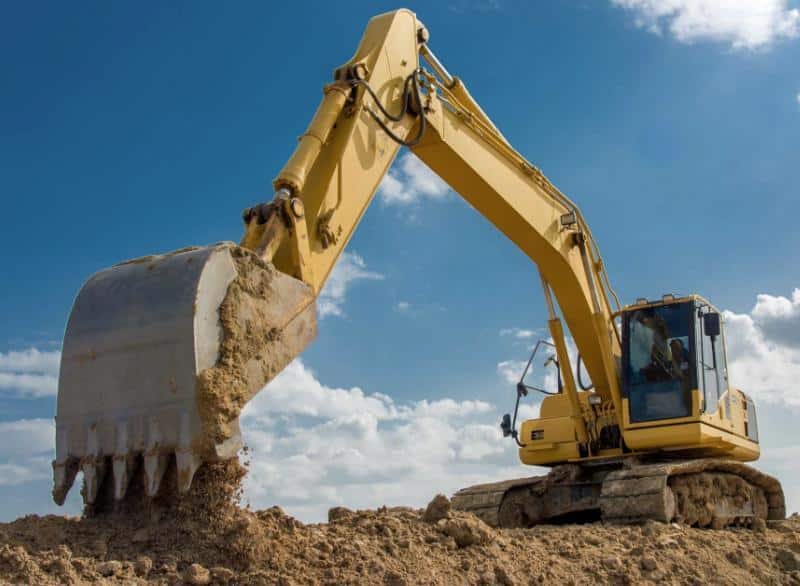
Construction projects vary widely in size, complexity, and operational requirements. Because of this, selecting the right equipment setup is critical for maintaining productivity and efficiency on-site. One of the most important decisions contractors make involves choosing the right excavator attachments for the specific tasks involved in a project. Proper attachment selection can improve precision, reduce project delays, and increase the overall versatility of excavation machinery.
Modern excavator attachments are designed to support a broad range of industries, including construction, demolition, landscaping, agriculture, and infrastructure development.
Understanding The Scope Of The Project
Before selecting any attachment, contractors must first evaluate the exact requirements of the project. Different tasks demand different levels of power, precision, and material handling capability. For example, trenching projects may require narrow digging buckets, while demolition work may involve hydraulic breakers or grapples.
Projects involving rocky terrain, utility installation, or land clearing each place different demands on excavation machinery. Understanding the site conditions and intended outcomes helps operators avoid using attachments that are either too limited or unnecessarily oversized for the task.
Matching Attachments To Machine Size
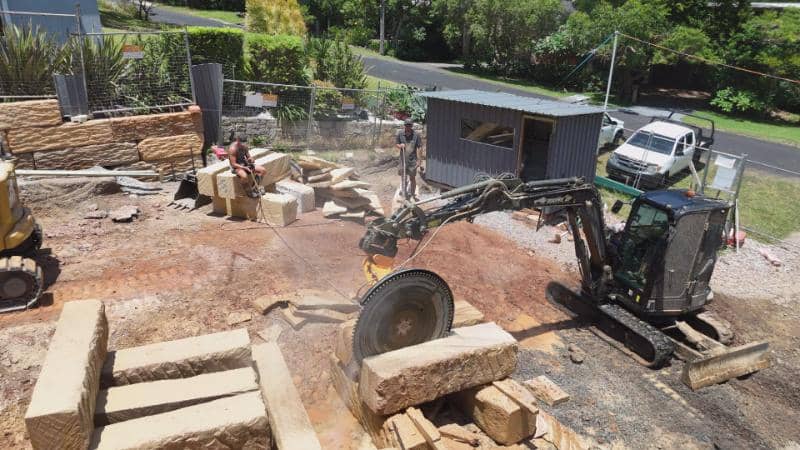
Not every attachment is compatible with every excavator model. Selecting attachments that properly match the size and hydraulic capacity of the machine is essential for maintaining safe and efficient operation.
Oversized attachments may place excessive strain on hydraulic systems and reduce machine stability. On the other hand, undersized attachments can limit productivity and increase operational time. Proper compatibility ensures the excavator operates smoothly while delivering consistent performance during demanding tasks.
Buckets For Everyday Excavation Work
Buckets remain one of the most commonly used excavator attachments because of their versatility across multiple construction applications. However, there are many bucket variations designed for specific purposes.
General-purpose buckets are commonly used for digging and material movement. Trenching buckets are narrower and better suited for utility installation work. Rock buckets are reinforced for handling abrasive ground conditions, while mud buckets are designed for grading and clearing softer materials.
Selecting the correct bucket design improves excavation precision while helping operators complete work more efficiently.
Hydraulic Breakers For Demolition Tasks
Construction and redevelopment projects often require removing concrete, asphalt, or compacted rock surfaces. Hydraulic breakers provide the force needed to handle these difficult materials without relying heavily on manual demolition methods.
Choosing a breaker that matches the scale of the demolition task is important for maintaining productivity. Smaller breakers may struggle with dense materials, while excessively large breakers may create unnecessary vibration or equipment stress during lighter work.
Grapples For Material Handling
Material handling plays a major role in construction and demolition projects. Grapple attachments allow operators to lift and move irregular materials such as logs, debris, scrap metal, and demolition waste safely and efficiently.
Different grapple designs support different handling requirements. Some are designed for heavy demolition cleanup, while others focus on landscaping or forestry applications. Proper grapple selection improves worksite organisation and reduces the amount of manual handling required from workers.
Augers For Precise Drilling Applications
Projects involving fencing, utility poles, foundation supports, or landscaping often require accurate hole drilling. Auger attachments provide a faster and more controlled solution compared to manual digging methods.
The size and type of auger selected should depend on soil conditions and required hole dimensions. Hard ground conditions may require heavy-duty augers with reinforced cutting components, while lighter soil applications can use standard drilling attachments more effectively.
Considering Long-Term Versatility
Many contractors prefer attachments that can support multiple types of projects over time. Investing in versatile attachments allows businesses to adapt to changing project demands without constantly purchasing additional specialised equipment.
Quick hitch systems and interchangeable attachment designs also improve operational flexibility by allowing operators to switch tools efficiently during the workday. This helps reduce downtime while improving overall worksite productivity.
Prioritising Durability And Maintenance
Construction environments expose attachments to heavy loads, rough terrain, and continuous use. Durable construction materials and reinforced wear components help attachments maintain long-term performance under challenging conditions.
Maintenance accessibility should also be considered during selection. Attachments that allow easy inspection and servicing can help reduce repair costs and improve equipment lifespan over time.
Supporting Safer Worksite Operations
Using the correct attachment for a specific task contributes to safer operations across the worksite. Properly matched equipment reduces instability, minimises operational strain, and improves control during lifting, digging, and demolition activities.
Safer equipment handling not only protects workers but also helps contractors avoid costly delays caused by equipment misuse or damage.

Conclusion
Choosing excavator attachments that match specific construction needs is essential for achieving efficient, safe, and productive operations. From buckets and breakers to grapples and augers, each attachment serves a unique purpose that can significantly influence project outcomes. By carefully evaluating project requirements, machine compatibility, durability, and long-term versatility, contractors can improve equipment performance while supporting smoother and more reliable construction workflows.