

Few machines in the heavy equipment industry are able to combine raw strength and agile performance as well as the articulated hauler. This machine stands out as a dependable partner for contractors, miners, and earthmoving specialists since it is designed to handle challenging worksites with uneven surfaces, steep inclines, and unpredictable weather. Its unique design allows it to carry large payloads with confidence while maintaining the maneuverability needed for tight or rugged environments. Understanding what sets an articulated hauler apart helps operators and project managers choose equipment that delivers consistent results while keeping efficiency high and downtime low.
Unmatched Power For Demanding Jobs
At the core of every articulated hauler is a powerful engine engineered to handle extreme conditions. These machines are designed for heavy hauling, which means every component from the drivetrain to the gearbox is built to withstand stress without sacrificing performance. The high horsepower range ensures the hauler can move large loads over long distances, even when the terrain includes deep mud, loose gravel, or sharp gradients. What makes this power even more impressive is the smooth transfer of energy, which allows operators to maintain stability and traction even when the machine operates at full capacity.
This power advantage is essential for jobs where productivity and timing matter. Whether moving soil on a construction site or transporting blasted rock in a quarry, the articulated hauler’s ability to maintain consistent hauling cycles reduces delays and supports predictable project timelines. Unlike machines that struggle under heavy loads or lose efficiency in rough environments, the articulated hauler is engineered to thrive under pressure. In demanding work environments where power and stability are essential, many operators look to detailed guides like Volvo 40G hauler specifications to understand how a machine’s engineering supports safer and more efficient hauling performance.
Stability That Builds Operator Confidence
The articulated hauler’s defining design feature is its articulated joint, which allows the front and rear sections of the machine to move independently. This gives it exceptional stability, enabling it to adapt to uneven surfaces without risking rollover or loss of control. The pivot joint not only supports safer operation but also enhances the operator’s ability to navigate challenging landscapes.
Articulated suspension systems further contribute to stability, especially when the machine is loaded. Advanced braking systems and weight distribution engineering ensure that even when traveling downhill or transitioning across slopes, the hauler maintains a secure and balanced posture. This stability is vital for operator safety, which remains a top priority in any heavy-equipment operation.
For new operators, this design provides confidence and reduces hesitation when faced with difficult terrain. For experienced operators, the increased control allows for faster, smoother hauling cycles. Either way, the articulated hauler’s inherent stability translates to improved productivity and fewer incidents on the job site.

Flexibility That Expands Job Site Capability
Flexibility is another major factor that distinguishes articulated haulers from other hauling equipment. Their ability to operate effectively in a wide range of conditions makes them a preferred choice for contractors handling varied project requirements. They can move efficiently through tight spaces that rigid trucks cannot navigate, making them suitable for both expansive earthworks and confined industrial areas.
Articulated haulers are also highly adaptable when it comes to weather. Rain, snow, and rough seasonal changes often cause significant delays for equipment that lacks traction or maneuverability. In contrast, articulated haulers maintain strong ground contact through optimized tire design and reliable all-wheel-drive systems. This flexibility keeps jobs moving even when conditions are less than ideal.
Another benefit is the machine’s compatibility with different hauling applications. From infrastructure development and forestry operations to large-scale mining and landfill projects, articulated haulers provide the versatility needed to handle multiple tasks without modification. This adaptability means companies can maximize equipment utilization and reduce the need to purchase or rent multiple specialized trucks.
Technology Enhancements Supporting Performance
Modern articulated haulers now feature advanced technology designed to elevate performance even further. Many models include load monitoring systems that help operators optimize payloads for safety and fuel efficiency. GPS-based fleet tracking improves route planning and real-time decision making, which is especially helpful on large or fast-moving job sites. Operator-assist features such as traction control, automatic braking support, and intuitive displays reduce fatigue and promote consistent operation throughout long shifts.
These technology upgrades reinforce the machine’s core strengths: power, stability, and flexibility, while giving operators greater control and companies more visibility into performance metrics.
A Machine Built For Real Worksite Demands
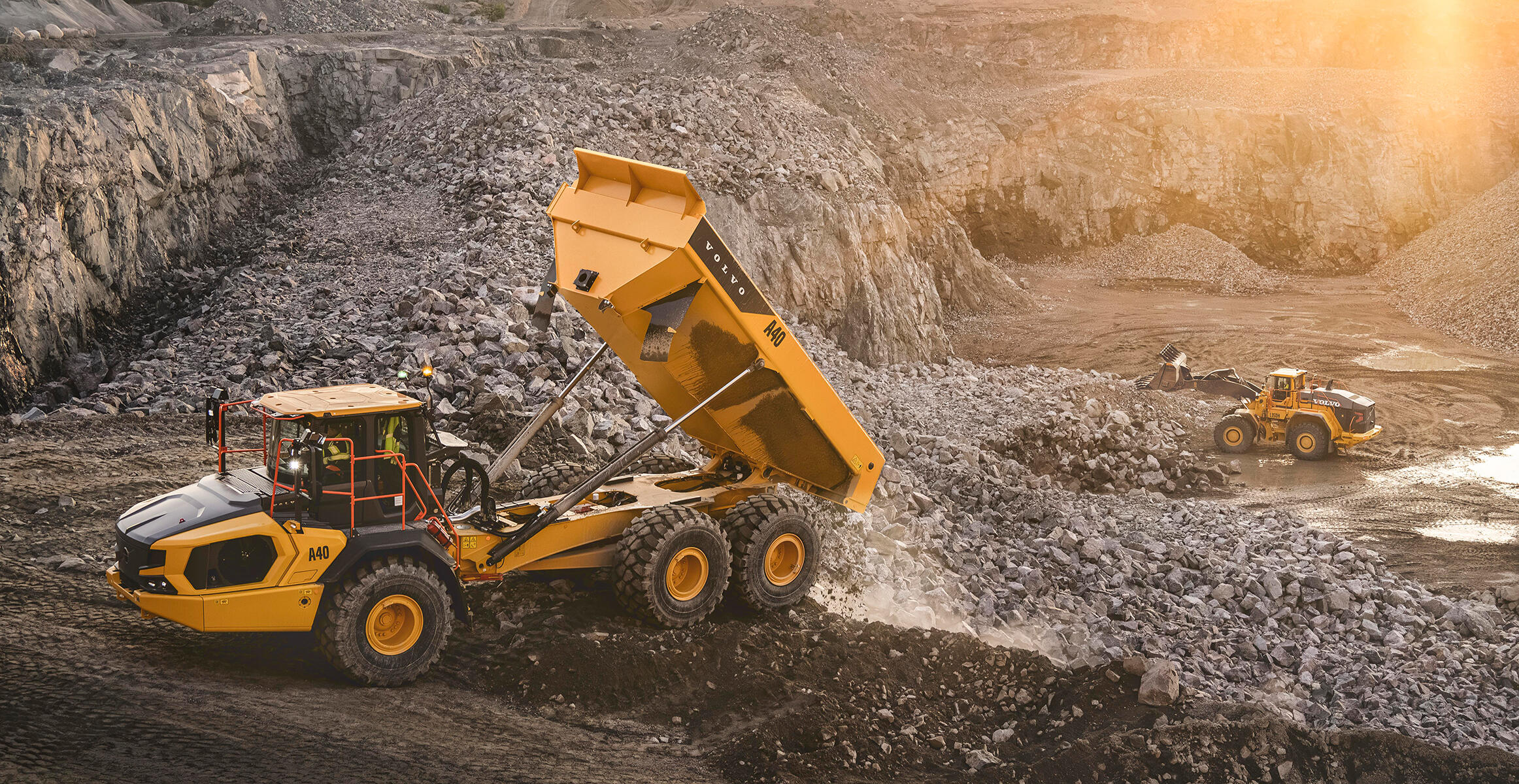
What truly sets an articulated hauler apart is its ability to deliver dependable results under harsh conditions while offering the operational ease needed for fast, efficient hauling. Its power ensures it can move heavy loads without strain, its stability protects operators and equipment in unpredictable environments, and its flexibility makes it useful across a wide range of industries.
For any project that demands durability, maneuverability, and high productivity, the articulated hauler remains one of the most capable and trusted machines on the job site.
