
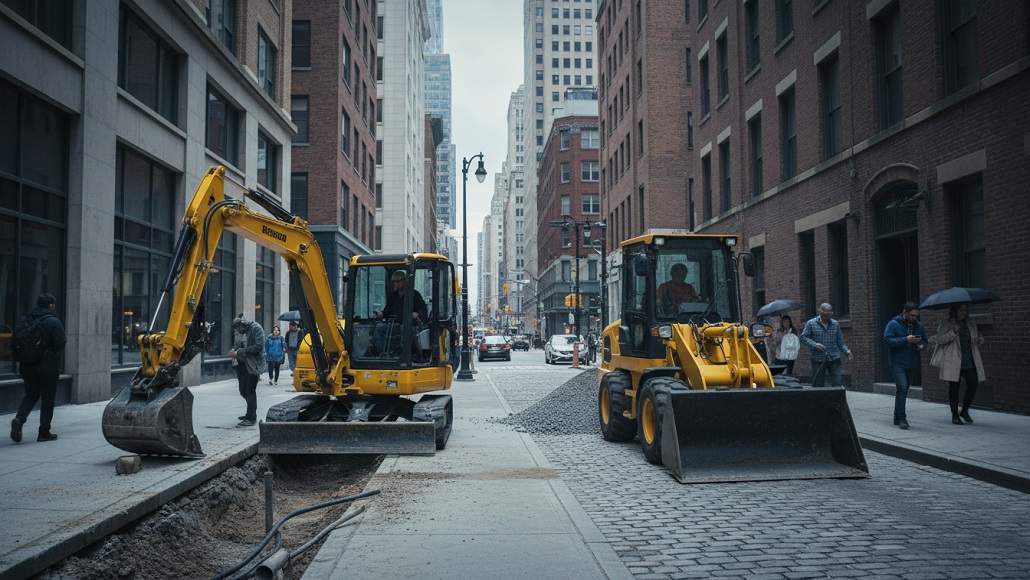
Urban development and industrial construction present very different challenges, yet both demand precision, coordination, and reliable machinery. From high-rise buildings in crowded cities to large manufacturing facilities in industrial zones, contractors depend on specialized equipment and strong logistical support. A key player in satisfying these objectives is a provider of construction equipment, which provides customized solutions that take into account the particular needs of every setting. For projects that shift in scope or timeline, construction equipment rental allows contractors to bring in the exact machinery they need for urban or industrial tasks without long-term ownership commitments.
Addressing Space Constraints In Urban Projects
Urban construction often takes place in tight spaces surrounded by roads, utilities, and existing structures. Large machines may be difficult to maneuver, and noise or emissions can be restricted by local regulations. A capable construction equipment supplier provides compact, efficient machinery suited for confined job sites.
These machines deliver the power needed for excavation, lifting, and material handling while maintaining better control in limited areas. By offering equipment designed for urban environments, suppliers help contractors work efficiently without compromising safety or compliance.
Supporting Heavy-Duty Needs In Industrial Settings
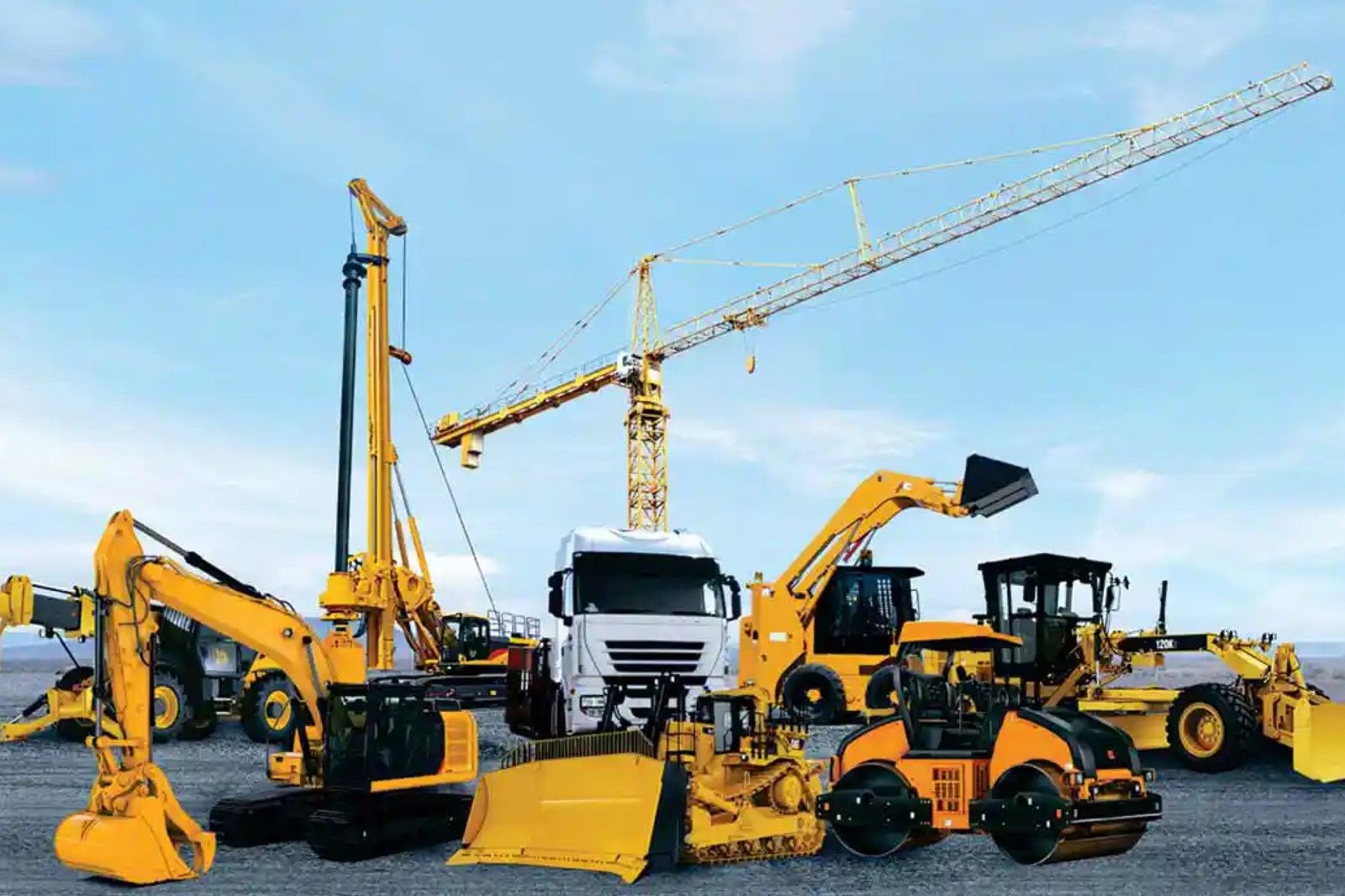
Industrial projects typically involve large open sites, heavy materials, and demanding workloads. Equipment must be robust enough to handle high volumes of earthmoving, structural assembly, and transport tasks. A construction equipment supplier meets these needs by providing high-capacity machinery built for continuous operation.
Industrial environments often require specialized attachments and configurations. Suppliers who understand these requirements ensure machines are properly equipped, enabling contractors to complete tasks with greater speed and precision.

Managing Logistics And Site Coordination
Both urban and industrial projects involve complex logistics. In cities, equipment deliveries must navigate traffic restrictions and limited access points. In industrial zones, large fleets of machinery must be scheduled across expansive areas. A skilled construction equipment supplier coordinates transportation and deployment to ensure equipment arrives at the right time and location.
Effective logistics planning reduces downtime and supports smooth workflow across multiple phases of construction. This coordination is essential for keeping projects aligned with tight schedules.
Providing Environmentally Compliant Equipment
Urban construction often requires machines that meet strict emission and noise standards. A forward-thinking construction equipment supplier offers modern equipment designed to comply with environmental regulations. Cleaner engines and noise-reduction features allow contractors to operate responsibly in populated areas.
Industrial projects may also face environmental considerations, especially when working near sensitive zones. Suppliers who provide compliant machinery help contractors meet regulatory expectations and avoid potential penalties.
Offering Flexible Equipment Solutions
Urban and industrial projects can change rapidly due to design updates or site conditions. A construction equipment supplier supports adaptability by offering flexible options such as short-term rentals, long-term leases, and equipment upgrades.
This flexibility allows contractors to adjust resources without major delays. When additional machinery is required or the project scope shifts, suppliers can respond quickly with suitable solutions.
Enhancing Safety Through Specialized Equipment
Safety is critical in both urban and industrial environments. Urban sites often have pedestrian traffic and nearby structures, while industrial sites may involve heavy loads and complex operations. A construction equipment supplier contributes to safer work conditions by providing machines equipped with modern safety features and stability systems.
Properly designed equipment helps reduce risks associated with tight spaces or heavy-duty tasks. Suppliers who prioritize safety support contractors in maintaining secure job sites.
Integrating Technology For Better Performance
Modern construction equipment often includes technology that improves efficiency and control. Features such as monitoring systems and precision tools enhance performance in both urban and industrial settings. A construction equipment supplier helps contractors access and utilize these technologies effectively.
Technology integration leads to more accurate operations, reduced waste, and improved productivity, regardless of the project environment.
Conclusion
Urban and industrial construction projects demand specialized solutions that address different operational challenges. A construction equipment supplier supports these projects by offering tailored machinery, logistical coordination, regulatory compliance, and flexible services. Through advanced equipment and reliable support, suppliers help contractors manage complex environments and deliver successful outcomes in both city and industrial landscapes.
